
Arsenic Consultation
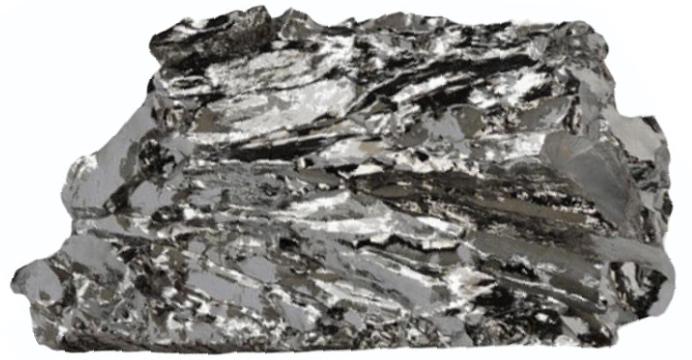
Arsenic is a potent, carcinogenic element causing severe health issues, ranging from skin lesions and cardiovascular disease to cancers of the bladder, lung, and skin, often from chronic exposure via contaminated water. Long-term exposure is linked to diabetes, neuropathy, and developmental issues, while high acute doses can cause severe vomiting, diarrhea, and death.
People with the highest risk of arsenic exposure include those drinking from contaminated private wells, residents near mining/industrial sites, and industrial workers in wood preservation or glass production. Children, pregnant individuals, and people with high rice diets are also highly vulnerable due to increased ingestion and sensitivity.
Long-term consumption of water from contaminated private wells is a major cause. Those drinking water from wells, particularly in regions with high natural arsenic levels (e.g., US Southwest, parts of the Midwest/Northeast, Bangladesh, and India) are highest at risk. Certain foods, including rice, can contain inorganic arsenic. Individuals who consume high amounts of rice and rice-based products are at higher risk for arsenic toxicity. Exposure can also occur due to environmental exposure, including inhalation of contaminated soil or dust. Those living near areas with naturally occurring high arsenic in bedrock or areas with former pesticide use are higher at risk. Residents near mining/industrial sites and industrial workers in wood preservation, glass production, semiconductor manufacturing, and metal smelting are at higher risk than the general population. Smokers are at higher risk for arsenic poisoning due to tobacco plants taking up arsenic, which gives smokers higher exposure levels.
Chronic arsenic poisoning often shows no immediate symptoms, with diseases developing over decades. Children are at high risk due to higher intake of food/water per pound of body weight and higher ingestion of soil/dust. Long-term exposure raises risks for cancer (bladder, lung, skin), cardiovascular disease, and neurological issues. Regular monitoring of well water and proper testing are essential for prevention.
Normal arsenic levels are typically less than 50μg/L (or 50ng/mL) in urine and below 12μg/L (or 12ng/mL) in blood.
Which test should you do? Blood or urine?
Only for recent acute exposure is blood work useful. Blood arsenic levels only reflect high-level exposure within the last few hours to 2 days.
A urine arsenic level measures exposure over the previous 2-3 days.
A 24-hour urine collection is most reliable, although a random spot urine sample can also detect high levels of recent exposure.
For chronic long-term exposure (past 6-12 months), hair or nail analysis is often used, with toenails better than fingernails as they are less prone to external contamination. We do not offer this currently at this practice.
However, a urine test does show current, ongoing arsenic exposure.
For the most accurate assessment of long-term exposure, testing of hair or nails is recommended, often combined with a 24-hour urine collection to assess current, ongoing intake.
During the visit, results will be discussed and guidance will be given to you by the provider.
Appointment Duration: 20 minutes
Price: $60